This article discusses the key specifications a gamer or end user should look for when choosing a gaming headset.
A great gaming headset can be a game-changer at key moments. Accurately representing enemy footsteps can turn the tide in competitive scenarios. Correct spatial audio representation with proper stereo correlation enhancers also improves the end user’s music listening experience.

While numerous brands offer gaming headsets ranging from dirt cheap to very expensive, it is essential to understand which features you particularly require. A gamer might skip incredible sonic fidelity for basic features such as a microphone and USB connectivity. This article explores the essential features to consider when purchasing a gaming headset in 2025.
Note:This article skips the wired vs. wireless headset debate for clarity and focus. Why? Because the differences between the two involve a wide range of parameters, and would make the article excessively long. Regardless of your choice, the core fundamentals, such as sound quality, comfort, ergonomics, and technical specifications, remain the same. The features discussed below apply to both wired and wireless headsets, depending on your purchase intent.

Sound Quality and Audio Performance in a Gaming Headset
The core function of any gaming headset, regardless of price, is to deliver accurate audio quality. Many brands market their patented technology as a selling point; however, these are often marketing gimmicks. To determine if a headset can deliver good audio quality, consider the following parameters:
Comfort and Ergonomics
Gamers often get sold on budget headphones without paying attention to ergonomics. A headphone that hurts your ears can cause lasting damage. Not only are gaming sessions painful, but you might also experience hearing loss after prolonged use. Although volume should be discussed under sound quality, paying attention to Total Harmonic Distortion (THD) figures is also important.
Cheap headsets distort at higher volumes, require a lot of amplification to drive, and then fail miserably. Below are some best-case ergonomic scenarios you should consider, based on reputed headsets such as the Logitech G435, JBL Quantum 910, and others:

Weight and pressure distribution are mandatory factors, but this remains debatable and subject to marketing. You may have seen brands advertise stainless steel sliders with length indicators. The best advice is to visit a music or gaming store, try a few on, and then make your choice.
Microphone Quality
Clear communication is vital in team-based competitive gaming, especially when a user is calling out and wants their voice delivered cleanly without any crosstalk. Cheap gaming headsets often use single-channel lining, meaning the headphone and microphone share the same channel without proper shielding.
This is why gamers complain about teammates with noisy or distorted microphones. It’s a symptom of crosstalk or static noise, where electrical interference causes the microphone audio to bleed into the headphones, creating feedback. When evaluating microphone quality, consider the following parameters:

Gaming Headset Customization
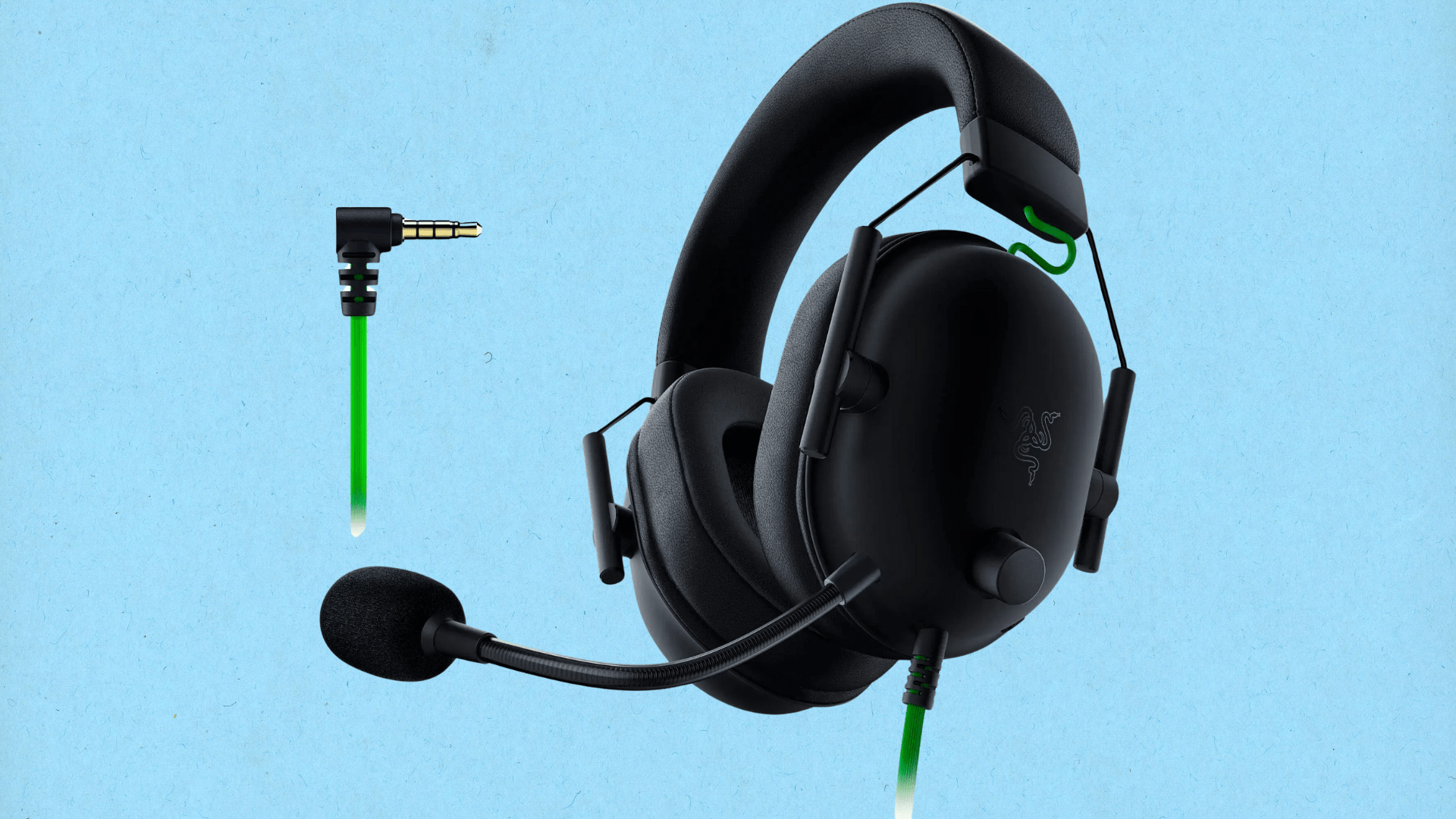
Call it software trickery or not, but even high-end brands like Audeze, Hifiman, and Sennheiser don’t offer custom gaming headset features. While a pro-grade headset allows you to reroute audio via a VU meter with EQ plugins applied, gaming brands such as SteelSeries, HyperX, Logitech, and Razer simplify the process.
Here’s a tip: applying a shelf EQ to filter out footsteps during gameplay can be incredibly effective. Your experience may vary, but the brands mentioned and even budget headsets with USB connectivity often allow EQ adjustments in pre-fader mode. This means the EQ is applied before audio processing, so what you hear in the left/right mix comes with the desired effects applied.
Conclusion
Ultimately, your budget is the most important factor when choosing a gaming headset. Just make sure to get the best within your budget. For competitive gamers, prioritize spatial sound quality, watch reviews, and become familiar with the technical specifications rather than relying on opinions. For mixed and balanced usage, consider open-back designs for a better gaming and musical experience. The goal of this guide is to equip you with the knowledge to choose a headset wisely and avoid falling for marketing gimmicks.
Looking For More Related to Tech?
We provide the latest news and “How To’s” for Tech content. Meanwhile, you can check out the following articles related to PC GPUs, CPU and GPU comparisons, mobile phones, and more:
