It’s no secret that Xiaomi’s MIUI has had a tough time in recent years, thanks in part to the bloatware and ads present in the system. This has contributed to the slowing demand for phones, particularly in regions like India. To solve this issue, Xiaomi has introduced its new operating system, HyperOS. Here’s what you need to know about it.
Taking a page out of Huawei’s book
When the US government banned Huawei from collaborating with American or allied organizations, the tech giant pivoted by creating its own operating system, HarmonyOS, integrated across its entire product range. Similarly, Xiaomi’s HyperOS isn’t just for smartphones; it’s a framework extending to smart home devices and future ventures, such as automotive technology.
However, you might wonder: how can one OS power such diverse devices? While HyperOS aims to power this array, it’s more of a unifying concept, showcasing the company’s vision for a seamless user experience across its product spectrum.
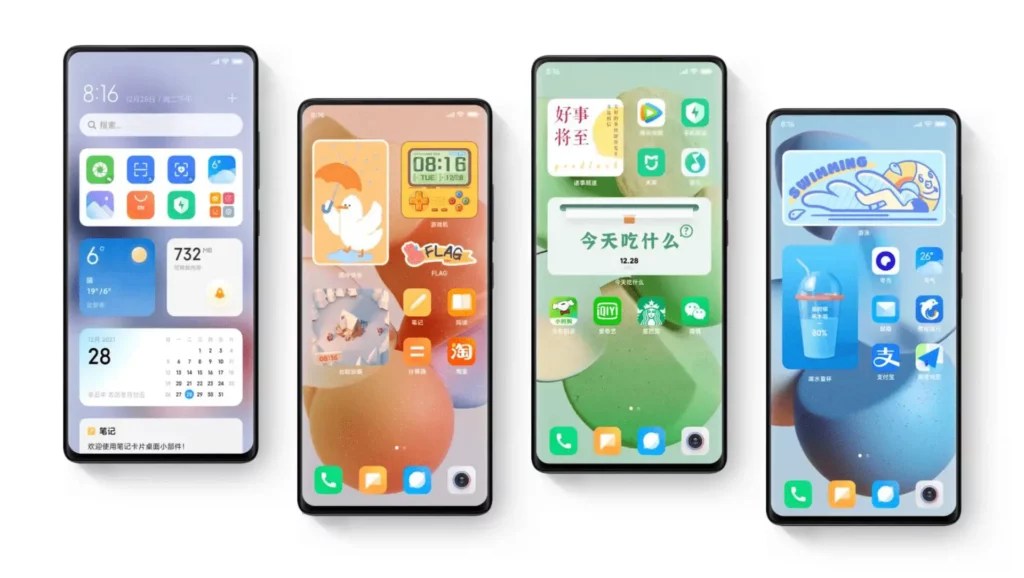
How does HyperOS work?
Xiaomi’s approach involves using different underlying platforms for various devices. For instance, Xiaomi’s Vela platform powers its IoT products within the HyperOS ecosystem. On the other hand, smartphones and tablets running HyperOS rely on the Android Open Source Project (AOSP).
While it may seem like Xiaomi is using the HyperOS branding as more of a marketing stunt, the company does have a trick up its sleeve in the name of the HyperConnect framework. This system seamlessly integrates all Xiaomi devices, enabling a cohesive ecosystem where users can quickly switch devices while maintaining their workflow.
Major new features of HyperOS
Since the company has already released the Xiaomi 14 devices running on HyperOS, there are some initial reviews already out on YouTube. Here are some of the big changes:
1. New Lock Screen Customizations
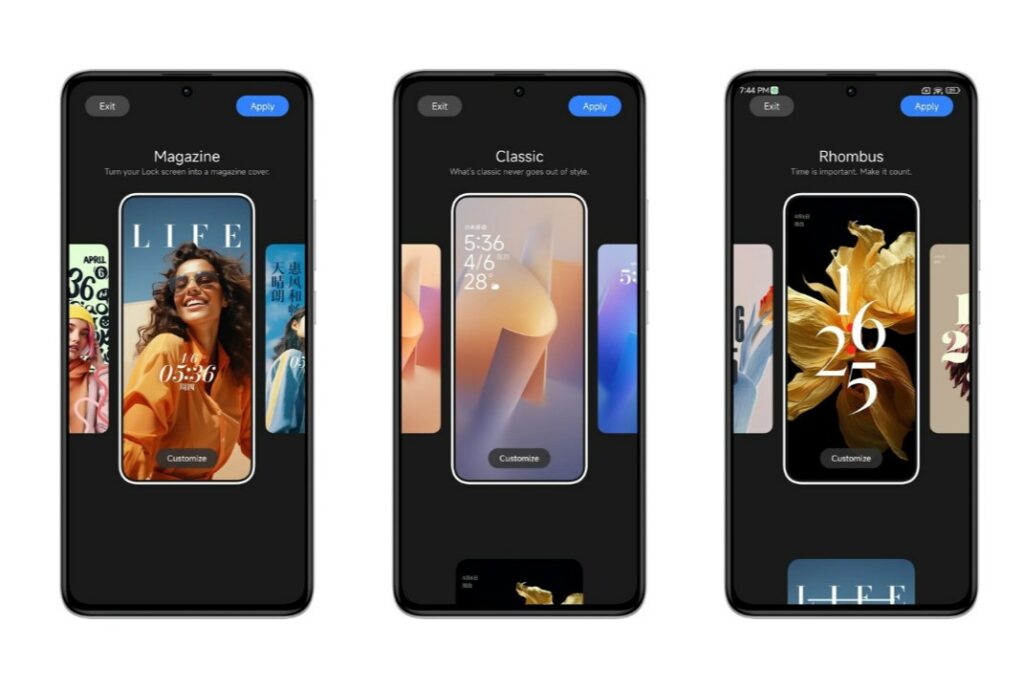
Ever since Apple introduced lock screen customizations last year, Android has slowly worked towards having the same feeling. While Google introduced its own take on customization with Android 14, Xiaomi seems to have drawn inspiration from Apple’s approach. Like iOS, users can now personalize their lock screens by choosing personal images with depth effects and selecting from various lock screen designs such as Classic, Rhombus, and Magazine. Additionally, the option to customize text fonts and clock styles adds another layer of personalization.
2. Less Bloatware
One persistent issue with MIUI has been the presence ofpre-installed appsthat users couldn’t remove. However, the new HyperOS update addresses this concern, allowing users to uninstall most bloatware apps, including system ones like Mi Video, Security, Gallery, and Games. However, it is important to note that certain apps like Mi Browser and GetApps are still unremovable.
3. New Gallery App
Xiaomi’s gallery app has always been filled with features and quirks, allowing people to tinker with their photos and videos. With HyperOS, the company is taking it to the next level. Firstly, there is a new layout that features panels like Photos, Albums, and Recommendations at the bottom for easier navigation.
When talking about the new additions, the company has introduced the ID feature, which is designed to help users create ID cutouts and photos, and a new editing suite.

4. Revamped Control Center
Taking another page out of Apple’s book, Xiaomi has removed the labels from its control center, enhancing its visual appeal. Additionally, the company has consolidated all toggles onto a single page, eliminating the need for scrolling.
5. Fast and light
MIUI has often been criticized by industry experts for its feature-heavy nature, which tends to slow down performance. However, Xiaomi seems to have heeded this feedback. The entire HyperOS now occupies a mere 8.7GB of internal storage, less than the 11GB-13GB used by stock Android.
Furthermore, the company overhauled its animations, which some industry experts believe are better and faster than iOS.
List of Supported HyperOS Devices
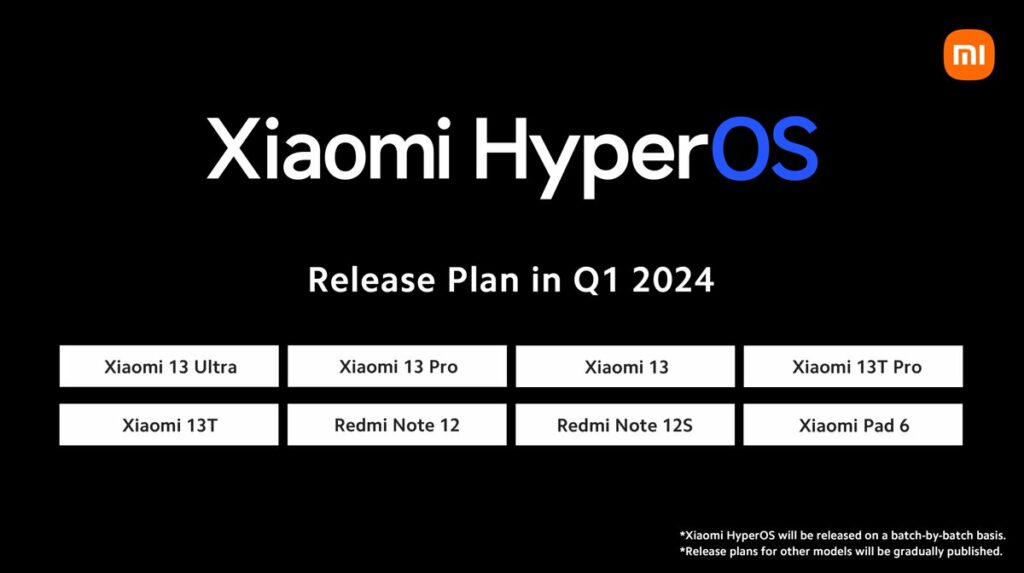
While HyperOS will not roll out to devices until early next year, the company has already unveiled the list of supported devices.
Eligible Xiaomi Devices include:
Eligible Poco devices include:
Eligible Redmi devices include:
When will the HyperOS rollout begin?
Xiaomi hasannouncedthat the initial rollout of HyperOS is slated for Q1 2024. The devices set to receive it first include the Xiaomi 13 Ultra, 13 Pro, 13, 13T Pro, 13T, Redmi Note 12, Redmi Note 12S, Xiaomi Pad 6, and Poco F5.
